

There are many clear benefits of having a second dog in your family. Most of us need to work during the day and only come home in the evening. You are exhausted and have no energy left to play with your dog. However, playtime is crucial to your dog’s health, happiness, and socialization. When a dog gets bored, they tend to sleep a lot or do some repetitive tasks, like licking their faces or paws. It can become a bad habit and causing skin problems.
A high-quality playtime can take up a good amount of time from you depending on the size, breed, and age of your dog. Playtime is not only about a couple of walks in a day. It includes social interaction between you and your dog. Therefore getting a dog might save you some time and energy from your busy working day.
A second dog can keep each other exercised and entertain, at the same time, practicing their social skills. While some dogs may suffer from separation anxiety when they are left alone, there is one way to provide emotional support to the dog by introducing him to a friend. While you are away from home, they can give each other emotional attention and reduce anxiety.
Are you and your dog ready to get a second dog?
After understanding the potential benefits of having another dog, it is more important to know whether you are ready to embrace a new one. There are three questions suggest by the American Kennel Club (AKC) to ask yourself and your family to decide whether your family is ready to welcome a new dog.

Is your dog well-trained? What is the condition of your dog? For example, health and age.
A well-trained dog is vital to the newcomer. This dog will teach the new dog rules, behavior, and social interaction. A problematic dog could potentially create another mischievous dog. If your current dog has aggression toward other dogs, you might need to concern about the safety of the new dog. If your current dog has some behavior issues, that means you are not ready to get a new dog and please work on his behavioral training first.
Besides, if your current dog is old and has a chronic health issue, then it might not be an ideal situation to have another one. An old dog needs a calm and safe environment to relax and enjoy life. A chronic health issue on dogs also means more frequent doctor visits and medical bills later in life. Make sure you are prepared for this challenge before you get a new dog.
Do you have any big events or projects coming up?
Sometimes their cute little faces make you forgot that you have plentiful projects going on in life. At the beginning of having a dog, as you have experienced, it is very important to devote lots of time on their training and socializing with your current dog to make them comfortable with each other. Talk with your family and see if all of you have big events coming up before you make a comprehensive decision.
Is your family on board with the decision?
A new dog could potentially change the rhythm of your family life. It means the whole family needs to invest more time and money into the new canine friend. It is significant to get consent from all the family members. Taking care of a new dog requires a corporation between family members.
Dogs are adorable, loving, and a terrific addition to any family. But sometimes it's just too hard to have two dogs since they require a lot of attention and training. You need to make sure that when you bring a second dog into the family, it will be a responsibility you can handle. You might also be interested in reading about 10 Amazing Facts about your Dog.
Frequently Asked Questions (FAQ)
Q1: What are the main benefits of getting a second dog?
A: A second dog can provide your first dog with a constant companion for play and socialization, reducing boredom and separation anxiety. It can also help reduce the behavioral problems that come from loneliness. For owners, double the dogs means double the love and joy. Two dogs can keep each other entertained, which can actually save you time and energy on solo playtime.
Q2: How do I know if my current dog is ready for a second dog?
A: Your dog is likely ready if they are well-trained, socially comfortable with other dogs, healthy, and of a manageable age. If your current dog has aggression toward other dogs, significant behavioral issues, a chronic health condition, or is very old and needs a calm environment, it may not be the right time to bring a second dog home.
Q3: Will getting a second dog help with my first dog's separation anxiety?
A: It can help in many cases. Having a companion can reduce loneliness and boredom, keeping your dog calmer while you're at work. However, it's not a guaranteed solution — if your dog's separation anxiety is severe, you should address it through training and behavioral support first before adding a second dog to the mix.
Q4: What should I consider financially before getting a second dog?
A: Owning two dogs doubles many of the costs: food, veterinary care, grooming, toys, training, and boarding or daycare. Make sure your budget can comfortably accommodate these ongoing expenses for both dogs. Unexpected medical costs are also a reality, so having an emergency fund for pet care is strongly recommended.
Q5: How should I introduce a second dog to my first dog?
A: Introduce the two dogs on neutral territory, such as a park, rather than in your home. Keep both dogs on leashes initially and allow them to sniff each other calmly. Watch for relaxed body language as a good sign. Once at home, give each dog their own space, food bowls, and toys to avoid competition. Supervise interactions closely in the early days and be patient as they adjust.
Q6: Does the age or breed of my current dog matter when getting a second dog?
A: Yes, both factors matter. A very old or ill dog may find a high-energy puppy stressful and exhausting. Similarly, matching energy levels and temperaments between breeds can make for a smoother pairing. Researching breed compatibility and consulting your vet or a trainer before choosing your second dog can help ensure a harmonious match.
Q7: Is it harder to train and manage two dogs at once?
A: It can be more challenging, especially if one dog picks up bad habits from the other. Training should be done individually as well as together. Ideally, your first dog should already have solid training and good manners before you bring a second dog home. This way, your first dog can serve as a positive role model for the new arrival.
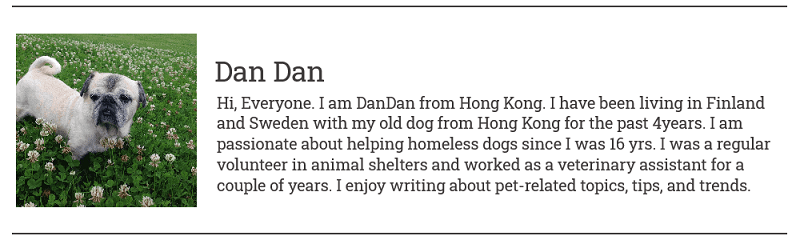
Author: Dan Dan
Disclaimer: This article is for educational and general informational purposes only and is not intended to provide veterinary or medical advice. Every dog is different, and training approaches may need to be adapted to your pet’s individual personality, needs and circumstances. If you have concerns about a sudden or persistent change in your dog’s behaviour, consult a qualified veterinarian or professional dog trainer for appropriate guidance.