
Routine grooming improves your dog's physical, mental, and aesthetic wellness. Whether you're a dog owner or considering getting one, this article will explain why grooming isn't a luxury but a necessity for our furry pets.
Dog grooming encompasses various tasks such as bathing, brushing, nail trimming, ear cleaning, and haircuts. While it may seem like an additional chore for busy pet owners, regular grooming offers far-reaching advantages that go beyond maintaining your dog’s cleanliness.
The Physical Benefits of Grooming
Grooming plays a crucial role in keeping your dog healthy and free from potential ailments. Here are some key physical benefits:
1. Cleaning
Regular baths help remove dirt, debris, and allergens from your dog’s coat, reducing the risk of skin infections and irritations. It also helps manage odors that can arise from accumulated dirt.
2. Preventing Matting
Brushing your dog’s fur regularly prevents matting – tangled clumps of hair that can be painful for your furry companion. Matting can lead to skin infections or restrict movement if left unattended.
3. Tick and Flea Prevention
Grooming sessions often involve thorough inspections for ticks and fleas. Promptly spotting these parasites ensures early treatment and prevents them from infesting both your pet and home.
4. Nail Trimming
Keeping your dog’s nails at an appropriate length through regular trimming is vital for their comfort while walking or running. Overgrown nails can cause pain, discomfort, and even affect their posture.
5. Ear Health
Cleaning your dog’s ears regularly helps prevent ear infections and the build-up of wax or debris. It is especially important for dogs with long, floppy ears that are more prone to infections.
The Emotional Benefits of Grooming
Grooming not only improves your dog’s physical health but also has a positive impact on their emotional well-being. Here’s why:
1. Bonding Time
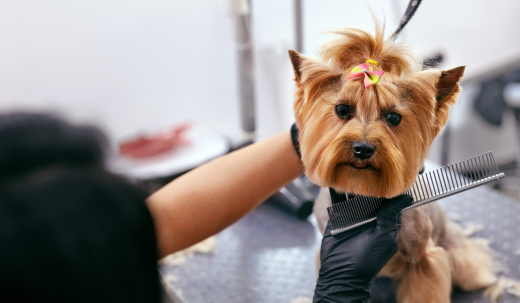
Grooming sessions provide an excellent opportunity for you to bond with your dog. Through gentle brushing and bathing, you can establish trust and strengthen your relationship.
2. Stress Reduction
Many dogs find grooming sessions calming and relaxing, especially when done in a soothing environment by a gentle handler. Regular grooming can help reduce anxiety and stress in dogs, promoting overall mental well-being.
3. Increased Comfort
Regularly trimmed nails, properly brushed fur, and clean ears contribute to your dog’s overall comfort level. When they feel good physically, it positively impacts their emotional state as well.
4. The Aesthetic Benefits of Grooming
While grooming primarily focuses on health and well-being, it also adds to your dog’s appearance. Here are some aesthetic benefits:
5. Coat Shine and Health
Regular brushing stimulates the production of natural oils in your dog’s skin, resulting in a healthier coat with a beautiful shine. Proper grooming practices also help maintain a lustrous and detangled coat.
6. Overall Neatness
Trimming excess hair around the paws, eyes, and ears gives your dog a neater appearance while preventing irritation or obstruction of vision or hearing.
7. Styling Options
Grooming allows you to experiment with different hairstyles for your furry friend. From classic cuts to creative trims, grooming can showcase your dog’s unique personality and style.
When to Seek Professional Help
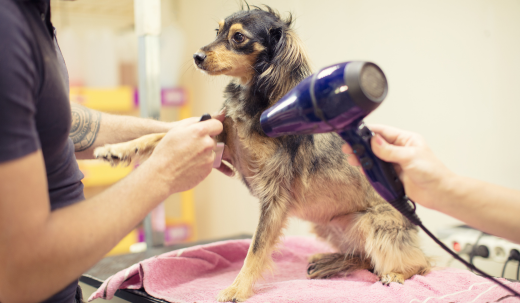
While regular grooming can be done at home, some situations may require professional assistance. Here are a few instances when seeking a professional groomer is recommended:
1. Complex Haircuts
If your dog’s coat requires intricate styling or specialized haircuts, it is best to consult a professional groomer who has the necessary expertise and tools.
2. Behavioral Challenges
Some dogs may not tolerate certain grooming procedures due to fear, anxiety, or past traumatic experiences. Professional groomers are trained to handle such situations safely and efficiently.
3. Specific Skin Conditions
If your dog has skin conditions that require special care or medical attention, a professional groomer can provide guidance on proper grooming techniques and products suitable for their needs.
4. Grooming Tips for Home
For routine maintenance between professional grooming sessions, here are some essential tips for at-home care:
5. Brushing Techniques
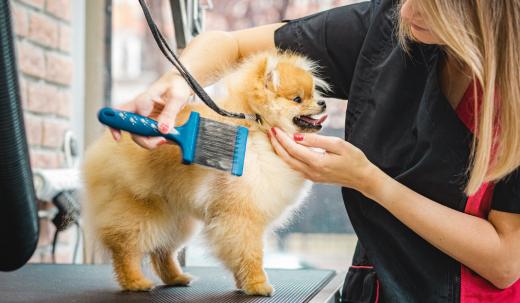
Different breeds require different brushing techniques and tools. Research the specific needs of your dog’s breed and invest in quality brushes or combs suitable for their coat type.
6. Bathing Frequency
While bathing helps keep your dog clean, excessive washing can strip their coat of natural oils. Consult with your veterinarian or groomer to determine the ideal bathing frequency based on your dog’s breed and lifestyle.
7. Nail Trimming Basics
Learn how to trim your dog’s nails safely without causing injury or discomfort. Use appropriate nail clippers designed specifically for dogs and seek guidance from a professional if you’re unsure.
8. Ear Cleaning Tips
Use gentle methods approved by veterinarians to clean your dog’s ears without causing harm or discomfort. Avoid using cotton swabs deep inside the ear canal as it may lead to injury.
Conclusion
Dog grooming is an important part of good pet keeping and is not only a cosmetic activity. Regular grooming sessions provide several advantages, including better physical and emotional wellness as well as a more presentable appearance. Your dog will have a comfortable, joyful, and healthy life if you include grooming in their routine. Remember to seek professional assistance when needed and maintain regular at-home care to keep your furry friend in tip-top shape.
Related Reading
- Mastering Dog Grooming at Home: A Complete Guide for Pet Parents
- How to Bathe Your Dog: Tips for a Stress-Free Experience
- How to Reduce Shedding in Dogs: A Comprehensive Guide
Looking for gentle, non-invasive support for your pet’s everyday comfort? Explore our PEMF therapy mats for pets.
Frequently Asked Questions
What are the hidden benefits of regular dog grooming?▼
Beyond keeping your dog clean and tidy, regular grooming offers significant physical and mental health benefits. It helps prevent skin infections, detects early signs of health issues like lumps or parasites, reduces matting and discomfort, strengthens the bond between dog and owner, and promotes mental calmness and reduced anxiety in dogs.
How does grooming help with my dog's physical health?▼
Regular grooming removes dirt, debris, and allergens from your dog's coat, reducing the risk of skin infections. Brushing prevents painful matting, nail trimming prevents joint strain and posture issues, and ear cleaning helps avoid infections. Grooming sessions also allow you to spot abnormalities like swelling, rashes, or parasites early.
Can grooming improve my dog's mental well-being?▼
Yes. Many dogs find grooming sessions soothing and relaxing, especially when handled gently. Regular grooming reduces stress and anxiety, promotes comfort through trimmed nails and clean ears, and strengthens the emotional bond between dog and owner through positive physical interaction.
How does regular brushing benefit my dog's coat?▼
Regular brushing stimulates the natural oil glands in your dog's skin, resulting in a healthier, shinier coat. It also prevents matting, removes loose fur and debris, improves air circulation to the skin, and can serve as a relaxing bonding activity for both you and your dog.
When should I take my dog to a professional groomer instead of grooming at home?▼
Professional grooming is recommended for dogs with complex or breed-specific coat needs, dogs that are anxious or resistant to grooming at home, and dogs with specific skin conditions that require expert handling. Professional groomers have the tools and training to handle these situations safely and effectively.
How often should I groom my dog at home between professional sessions?▼
At-home grooming frequency depends on your dog's breed and coat type. Most dogs benefit from brushing several times a week, ear checks every 1–2 weeks, and nail trims every 3–4 weeks. Bathing frequency varies but is typically every 4–6 weeks. Consult your vet or groomer for a routine tailored to your dog's specific needs.
Is dog grooming just about appearance, or does it serve a deeper purpose?▼
Grooming is far more than cosmetic. While it does keep your dog looking neat and presentable, its primary purpose is health and wellness. Regular grooming prevents painful conditions, supports early disease detection, reduces stress, and deepens the human-dog bond — making it an essential part of responsible pet ownership.
Disclaimer: This article is for educational and general informational purposes only and is not intended to provide veterinary or medical advice. Every dog is different, and training approaches may need to be adapted to your pet’s individual personality, needs and circumstances. If you have concerns about a sudden or persistent change in your dog’s behaviour, consult a qualified veterinarian or professional dog trainer for appropriate guidance.