
Dogs are not just pets but also loyal companions and integral parts of our families. However, behavioral issues can sometimes ruin the relationship between dogs and their owners. Behavior modification in dogs is essential to address these issues, ensuring a harmonious coexistence. This article will explore various techniques and tips that can help modify your dog's behavior effectively.
Understanding Canine Behavior
Understand dogs' motivations before changing their behavior. Genetics, environment, training, and socialization affect dog behavior. Misbehavior frequently results from uncertainty, anxiety, or unfulfilled needs. You may customize your approach to behavior modification by knowing what motivates your dog's actions.
Establishing the Foundation: Consistency and Patience
Consistency is key in any form of training or behavior modification. Dogs thrive on routine and clear expectations. Set rules and stick to them, ensuring that all family members do the same. Patience is equally important; behavior change doesn't happen overnight. Be prepared to invest time and effort into your dog's behavioral adjustments.
Positive Reinforcement: Reward-Based Training
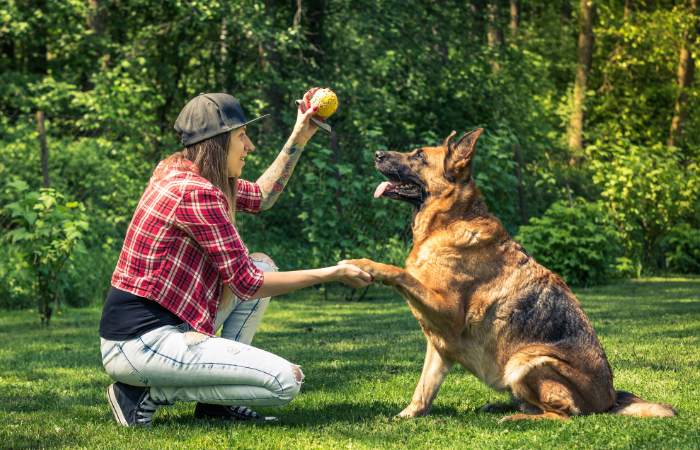
One effective strategy for changing behavior is positive reinforcement. It entails giving your dog praise for appropriate conduct, which will encourage them to repeat it. Rewards can include treats, praise, toys, or playtime. Focus on what your dog is doing right rather than punishing them for mistakes.
Clicker Training: Precision and Timing
Clicker training is a form of positive reinforcement that uses a distinct sound to mark the exact moment your dog performs the desired behavior. Follow the click with a treat, creating a strong association between the behavior and the reward. Clicker training enhances communication with your dog, making it clear which actions are correct.
Desensitization and Counterconditioning: Addressing Fear and Aggression
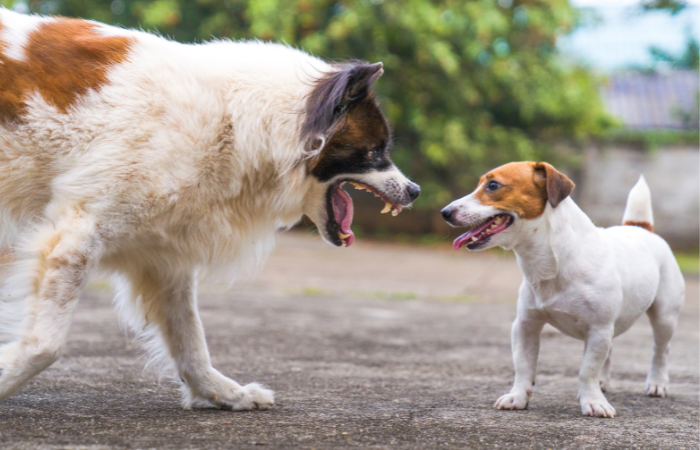
Desensitization involves gradually exposing your dog to the source of their fear or aggression in controlled settings, starting at a level that doesn't provoke a reaction and slowly increasing exposure. Counterconditioning pairs the feared object or situation with something positive, like treats or play, changing the dog's emotional response over time.
Setting Boundaries: Crate Training and Safe Spaces
Crate training provides a safe haven for dogs and helps with managing destructive behaviors when unsupervised. Introduce the crate gradually, making it a pleasant space with comfortable bedding and toys. Never use the crate as punishment; it should always be a positive retreat.
Socialization: Preventing Behavioral Problems
Proper socialization can prevent many behavioral problems. Expose your dog to various people, animals, environments, and situations from an early age. Positive experiences during these formative periods can reduce fear and aggression in adult dogs.
Professional Help: When to Seek Assistance
Don't be afraid to get professional assistance if you're having trouble with your dog's behavior. More serious problems like aggression or separation anxiety can be addressed with individualized advice from licensed dog trainers and animal behaviorists.

Incorporating Technology: Apps and Gadgets
Several apps and gadgets can assist with behavior modification. From remote-controlled treat dispensers to apps that help track progress in training, technology offers innovative ways to support your efforts.
The Role of Exercise in Behavior Modification
Exercise is a vital component of a well-rounded behavior modification plan. Adequate physical activity helps expend excess energy that might otherwise contribute to hyperactivity or destructiveness. Regular walks, playtime, and exercise cater to your dog's physical and mental well-being.
Conclusion
Behavior modification in dogs requires understanding, consistency, patience, and the right techniques. Remember that every dog reacts differently to crate training, clicker training, desensitization, positive reinforcement, or professional help. By following a plan and considering your dog's needs, you may modify his behavior and have a happier, less stressful connection with him.
Related Reading
- Understanding Your Pet's Behavior: A Guide for Pet Parents
- Common Behavioral Problems in Dogs and How to Address Them
- 7 Basics of Effective Dog Obedience Training
- 5 Major Benefits of Dog Training: Strengthen Your Bond & Eliminate Bad Behaviors
Looking for gentle, non-invasive support for your pet’s everyday comfort? Explore our PEMF therapy mats for pets.
Frequently Asked Questions
What is behavior modification in dogs?▼
Behavior modification in dogs is a structured approach to changing unwanted behaviors by understanding their root causes and applying consistent training techniques. It addresses issues like aggression, excessive barking, anxiety, and destructive habits using methods such as positive reinforcement, desensitization, and counter-conditioning.
What causes behavioral problems in dogs?▼
Behavioral issues in dogs often stem from uncertainty, anxiety, unmet physical or mental needs, lack of socialization, genetics, or past experiences. Understanding what motivates your dog's actions is key to choosing the right behavior modification approach.
How does positive reinforcement work for dog training?▼
Positive reinforcement involves rewarding your dog immediately after they display a desired behavior, which encourages them to repeat it. Rewards can include treats, verbal praise, toys, or playtime. Focusing on what your dog does right — rather than punishing mistakes — creates a more effective and trusting learning environment.
What is clicker training and how is it used?▼
Clicker training is a precise form of positive reinforcement where a small device makes a clicking sound to mark the exact moment a dog performs the desired behavior, followed by a reward. This clear signal helps dogs quickly understand which behavior earned the reward, making training faster and more effective.
How important is consistency when modifying a dog's behavior?▼
Consistency is absolutely essential in behavior modification. Dogs thrive on routine and clear expectations. All family members must follow the same rules and use the same commands, as mixed signals can confuse your dog and slow progress. Consistent responses to both good and bad behavior help dogs learn boundaries more quickly.
How long does behavior modification take for dogs?▼
Behavior change in dogs doesn't happen overnight. Depending on the severity of the issue and the dog's individual temperament, meaningful progress can take weeks to months of consistent training. Patience is crucial — rushing the process or resorting to punishment can set back progress or create new behavioral problems.
When should I seek professional help for my dog's behavioral issues?▼
If your dog shows signs of aggression, severe anxiety, self-destructive behavior, or if home training methods aren't producing results after consistent effort, it's time to consult a professional dog trainer or veterinary behaviorist. They can assess the underlying causes and create a tailored behavior modification plan for your dog.
Disclaimer: This article is for educational and general informational purposes only and is not intended to provide veterinary or medical advice. Every dog is different, and training approaches may need to be adapted to your pet’s individual personality, needs and circumstances. If you have concerns about a sudden or persistent change in your dog’s behaviour, consult a qualified veterinarian or professional dog trainer for appropriate guidance.